
Kids & ADHD
How kids cope when they're not diagnosed.
Without a diagnosis, kids with ADHD find their own ways to get through the day. Many of us did the same, and still do.
Coping without support
When a child has undiagnosed Attention-Deficit/Hyperactivity Disorder (ADHD), they do not have formal medical or behavioural support. Instead, they develop informal, often unconscious ways to navigate daily life, school, and friendships.
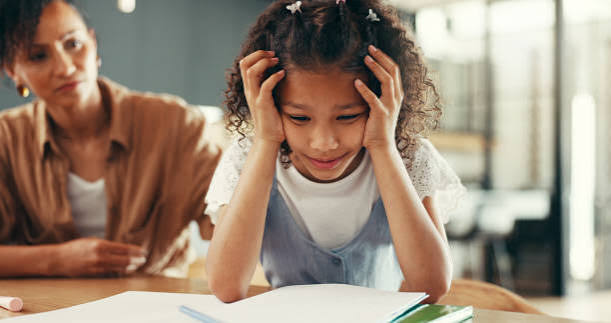
Instead of getting out of their seat, children redirect physical restlessness into socially acceptable micro-movements: • Subtle fidgeting. Tapping feet silently, clicking pens, twirling hair, picking at nails or skin, or chewing on shirt collars and pencils. • Intense doodling. Drawing in the margins of notebooks during lectures, which helps stimulate their brain enough to listen without appearing disruptive. • Frequent "legitimate" breaks. Repeatedly asking to use the bathroom, get water, or sharpen a pencil just to relieve the physical discomfort of sitting still. • Anxiety-driven perfectionism. Over-preparing, compulsively double-checking work, or spending hours on simple homework to compensate for careless mistakes and fear of getting in trouble. • Mirroring classmates. Watching peers closely to figure out what page to turn to or what instructions were just given because they missed the teacher's verbal directions. • Cramming via last-minute adrenaline. Relying on the panic of an approaching deadline to trigger enough focus to finish assignments. • Over-reliance on intelligence. Coasting on strong verbal reasoning or problem-solving skills to guess answers on the fly without reading instructions thoroughly. • Forced stillness and "zoning in." Clenching muscles or staring intensely at the teacher to look attentive, even when their mind is completely blank or overwhelmed. • People-pleasing and hyper-compliance. Becoming overly quiet, apologetic, or eager to help the teacher so adults view them as "good kids" rather than troublemakers. • Task and group avoidance. Hanging back during group projects, avoiding leadership roles, or claiming a task is "boring" or "stupid" to hide that they feel overwhelmed or lost. • Scripting conversations. Rehearsing what to say before raising a hand, or staying completely silent in class to avoid blurting out the wrong thing.
How undiagnosed kids cope
As kids get older and turn into teenagers, many who go undiagnosed or untreated will develop negative coping skills, which can lead to alcohol, substances and addiction.
The Child Mind Insitute says that undiagnosed teens often turn to alcohol or drugs to cope with overwhelming, unexplained emotional or cognitive struggles, and they get addicted faster because their developing brains are especially sensitive to rewards and habit formation. Without a diagnosis, many teens blame themselves for feeling "different," falling behind, or feeling constantly anxious or restless. When teenagers live with undiagnosed conditions like anxiety, depression, trauma, or ADHD, they often carry a heavy, confusing burden, feeling overwhelmed, out of step with peers, or secretly blaming themselves for struggling to keep up. Without the language or support to understand what is happening inside their minds, many turn to alcohol or drugs not out of simple rebellion, but as a way to quiet racing thoughts, ease social discomfort, or finally feel "normal." Because the adolescent brain is still wiring its impulse-control centers while operating with a heightened sensitivity to rewards, substances deliver an immediate, powerful sense of relief that can rapidly rewire brain pathways into dependence.
Recognizing substance use through this lens doesn't excuse risky behavior, but it helps parents look past the surface symptoms to address the root emotional or cognitive pain their teen has been trying to manage alone.
I find the wild world of ADHD so intriguing and complex. There are so many links, pipelines and facets, tunnels to search out and caves that haven't been explored in decades. We are at a revolutionary time for change and acceptance, especially when it comes to neurodiversity. People are now starting to recognize our passion and purpose.
The Hidden Tell: After-School Restraint Collapse
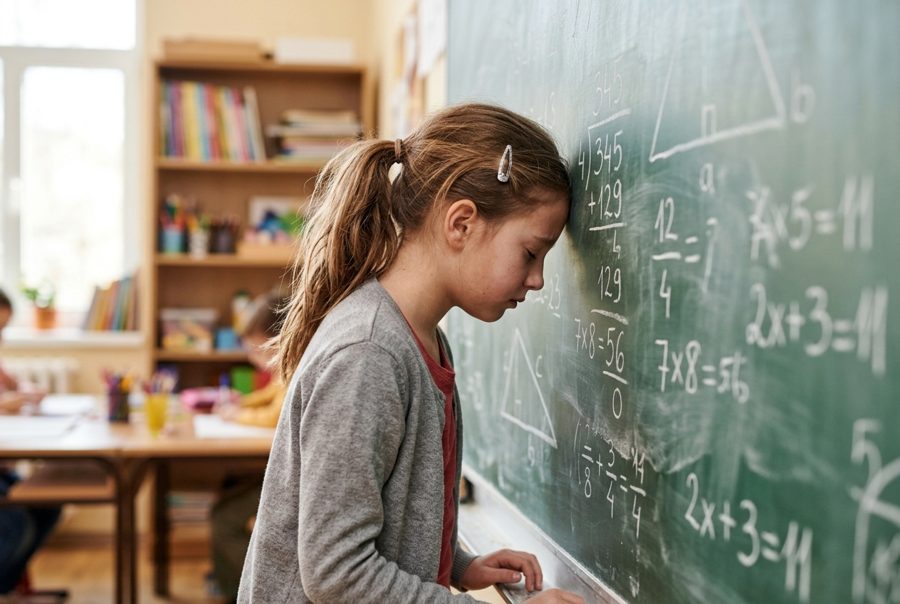
Maintaining these habits to mask our differences takes enormous mental energy, and teachers often report "no concerns," while parents see the aftermath at home. Children who mask all day frequently experience restraint collapse—coming home exhausted, irritable, withdrawn, or having intense emotional meltdowns over minor triggers. If the teachers say they're a blessing in class, but at home they are little devils, that might be a sign that they are masking all day. Talk to their teacher about it or your GP, and request a psychoeducational assessment.
- Masking and overcompensating: Many children, especially girls or those with primarily inattentive symptoms, spend massive amounts of energy trying to look "normal." They force themselves to sit still, hide distraction, or write down every detail twice, which leads to severe mental exhaustion and anxiety by the end of the day.
- Hyperfocus: They may become intensely absorbed in activities that genuinely capture their interest (like video games, art, or a specific hobby). While this feels like deep concentration, it can make switching tasks or stopping even harder.
- Trial-and-error routines: Kids often build their own external "crutches" to survive school, such as waiting until the absolute last minute to finish homework (driven by the adrenaline of a deadline) or relying heavily on a classmate for instructions.
- Avoidance: If a task feels too overwhelming, confusing, or boring due to executive dysfunction, the child may avoid it completely, which can look like laziness, defiance, or apathy to adults.
- Humour or class clown roles: Some hyperactive or impulsive children act out, make jokes, or redirect attention to control how peers see them, trading academic or behavioural trouble for social camouflage.
This page is general information from lived experience, not medical advice. Talk to your doctor about diagnosis and treatment.