
Kids & ADHD
Sports that suit girls with ADHD.
The right sport can turn all that energy into focus, confidence and fun.
Why sport helps girls with ADHD
Certain sports work exceptionally well for young girls with ADHD by burning excess energy, building focus, and providing clear structures or fast-paced feedback. Individual and high-motion activities often prevent the boredom or frustration that can come with slow-paced or heavily strategy-dependent team sports.
Top sports for girls with ADHD
These sports are sure to keep your child interested and involved
- Martial Arts (Karate, Taekwondo, Brazilian Jiu-Jitsu): Provides a high-structure environment, clear short-term goals (like belt ranks), and a strong mix of physical output and self-control.
- Swimming & Competitive Swimming: Offers rhythmic, repetitive motion and deep-pressure sensory feedback from the water that helps calm and ground an overstimulated nervous system.
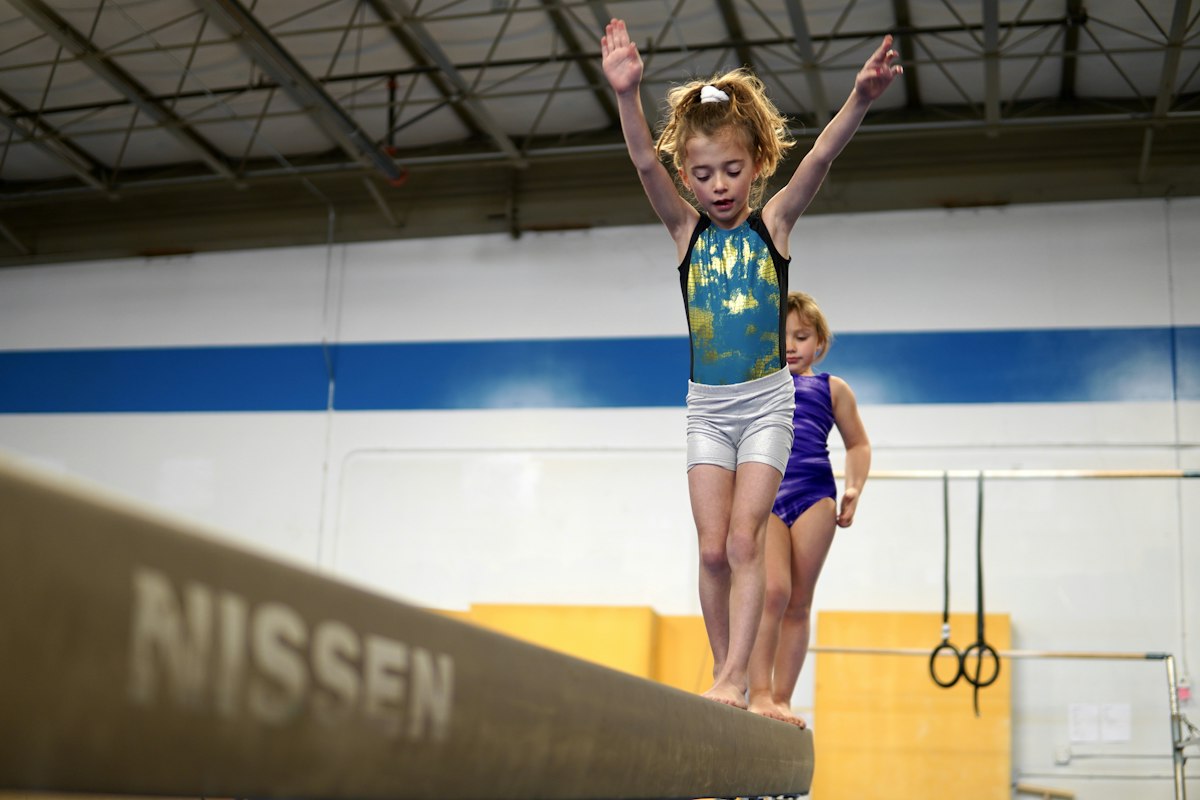
- Gymnastics & Dance: Demands intense body awareness, coordination, and memorization of short routines, which helps train working memory and channels high physical energy into specific movements.
- Tennis & Racket Sports: Features a fast pace that captures and holds attention, requiring quick-decision making and hand-eye coordination that activates executive functions.
- Track and Field / Cross-Country: Involves natural, all-inclusive movement with short bursts of effort (like sprints or jumps) and minimal downtime spent sitting on a bench.
- Horseback Riding (Equestrian): Connects girls with animals that immediately mirror and respond to their body language and energy levels, fostering emotional awareness and focus.
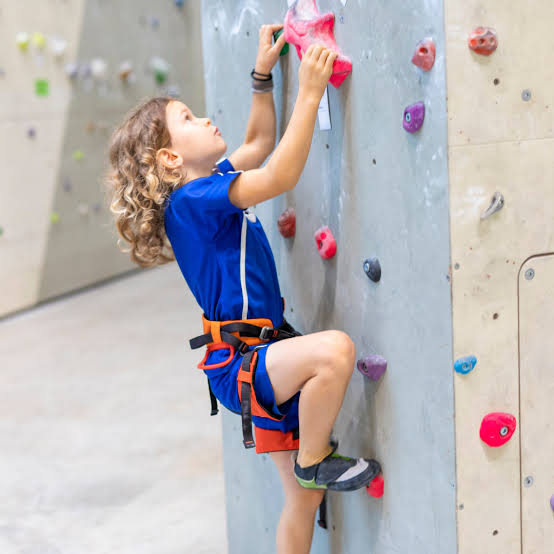
- Rock Climbing: Requires continuous, problem-solving focus with immediate physical feedback, leaving little room for the mind to wander.




Avoid putting your child in tackle football
AVOID PUTTING YOUR CHILD IN FOOTBALL AT ALL COSTS. In my opinion, and many doctors' opinions. Talk to your child's doctor first.
Research shows athletes with ADHD are about 1.6 to 2.5 times more likely to sustain a concussion. Impulsive decision-making and momentary lapses in focus can lead to high-risk collisions or missed cues on a fast-moving football field.
If you haven't read the latest research on concussions and CTE, please do so before putting them in a contact sport. The ADHD brain is very vulnerable, and tackle football poses heightened concussion risks for neurodivergent children, such as those with ADHD, autism, or learning disabilities, because they face higher odds of sustaining head injuries, greater difficulty getting an accurate diagnosis, and longer recovery times.
While tackle football already carries the highest concussion rate in youth sports, neurodivergent traits compound both the physical risk on the field and the neurological impact afterward.
This page is general information from lived experience, not medical advice. Talk to your doctor about diagnosis and treatment.