Misophonia
When everyday sounds make you see red.
Chewing, clicking, barking... if certain sounds flood your whole body with rage, you're not alone. Here's what's going on and what helps.
What is misophonia?
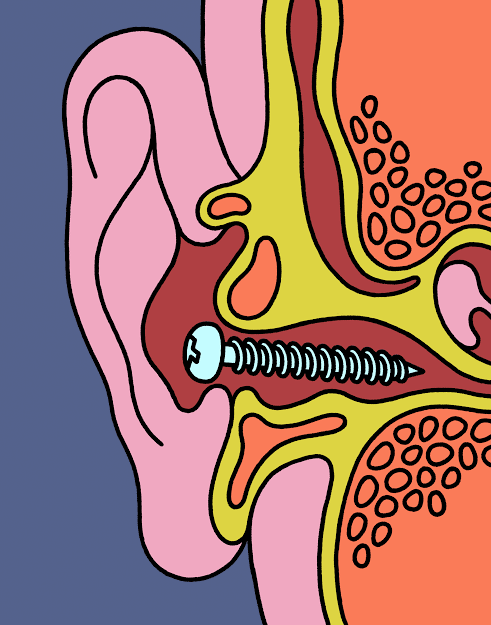
Misophonia (literally "hatred of sound") is a condition where certain everyday sounds, or repetitive movements you can see, set off an instant, intense reaction: anger, panic, disgust or an urge to escape. It isn't being fussy or dramatic. Your body goes into fight-or-flight before your thinking brain can catch up.
According to the Cleveland Clinic, misophonia is a disorder where you have a decreased tolerance to specific sounds and things you can sense related to them. While it doesn't yet have official recognition as a distinct disorder, experts still recognize it. There's now a formal consensus definition for research purposes, and for diagnosing and treating it.
It's especially common in people with ADHD and autism, likely because our brains process sensory information differently and have a harder time filtering out what doesn't matter.
misophonia
mi·so·pho·ni·a | noun
A condition which causes people to have intense emotional reactions to certain everyday sounds, such as other people chewing, drinking, or sniffing.
Common triggers
- Mouth sounds: Chewing, crunching, slurping, lip-smacking, gum popping, swallowing.
- Breathing and nose sounds: Loud breathing, sniffing, throat clearing, snoring.
- Tapping and clicking: Keyboards, pen clicking, nails on a table, cutlery scraping a plate.
- Repetitive noise: Dogs barking, babies crying, ticking clocks, a bass beat through the wall.
- Things you see: Leg bouncing, foot tapping, fidgeting or someone chewing in your line of sight (sometimes called misokinesia).
Coping tips that actually help
- Cover the sound: Noise-cancelling headphones, soft earplugs, or white, pink or brown noise playing in the background.
- Plan for meals: Put music on at the table, sit where you can't see mouths, or eat at a different time when you need to.
- Step away early: Leave the room for a minute before the rage builds. Splash cold water, take five slow breaths, then come back if you can.
- Give your body somewhere to go: Squeeze a stress ball, press your feet into the floor, or chew gum yourself. It can take the edge off the fight-or-flight surge.
- Tell the people you live with: Try: "It's not you, it's my brain. Certain sounds hit me like an alarm. Can we work out a plan together?"
- Be kind to yourself: The reaction is involuntary. Feeling it doesn't make you a bad person. What you do next is what counts.
Misophonia in The New Yorker
In "For People with Misophonia, Everyday Noises Can Be Agony" (The New Yorker, June 15, 2026), writer Sloane Crosley explores what life is like when chewing, tapping or sniffing sets off a fight-or-flight reaction, and why so many people struggle to be believed.
The article explains that a 2024 study estimated about 4.6% of U.S. adults meet the criteria for misophonia, that it often shows up alongside ADHD, anxiety and OCD, and that researchers at Duke University are pushing for it to be officially recognized as a diagnosis.
When to get extra support
If misophonia is affecting your relationships, your work or your ability to enjoy everyday life, talk to your doctor or a therapist. Approaches like cognitive behavioural therapy (CBT) can help you manage the reaction and feel more in control.
This page is general information from lived experience, not medical advice. Talk to your doctor about diagnosis and treatment.