Our Gifts

The strengths of neurodivergent women.

Neurodivergence, including conditions like autism, ADHD and dyslexia, brings distinct cognitive strengths that drive innovation and problem-solving, though experiences of these traits vary widely.

Cognitive traits

“When life is predictable, I often feel ready to explode. In a crisis, I can be calm and purposeful. The distinctive wiring in my brain actually prepares me for things like global pandemics and home invasions.”

People with ADHD often shine in high-stakes moments because their brains are wired to activate under intense urgency, adrenaline, and strong moral conviction. While everyday routines can feel paralyzing, crises and moments of injustice trigger the exact neurochemistry and hyper-awareness needed to step up.

Normally, a person would be overwhelmed with emotion or fear in a life-or-death situation, but we feel a jolt of "let's do this" and take action to solve the problem without even thinking. Many people describe it as a natural instinct. For me it's the same: it feels like an instinct kicks in and I turn into a different person. My mind is quiet and calm, strategizing what to do and how to solve the problem.

I would bet the majority of people who tackle bank robbers, talk people off ledges and go out of their way to save others are neurodivergent/ADHD. I do not recommend this, by the way. Just because we are brave in the moment doesn't mean we can't get badly hurt.

ADHD brains typically have lower baseline levels of neurotransmitters like dopamine and norepinephrine, which makes routine tasks hard to start. As explained by ADDitude Magazine, the sudden rush of adrenaline during an emergency acts like a natural stimulant, snapping an ADHD brain into sharp, poised focus

  • Photo added by Amanda
  • Advanced pattern recognition: Spotting trends, data anomalies, and connections that others miss.
  • Exceptional detail focus: Noticing minute details, errors, or nuances in complex systems.
  • Hyperfocus: Deep, uninterrupted concentration on tasks or subjects of intense interest.
  • Strong logical reasoning: Approaching situations with high objectivity and systemic thinking.
  • Hyper-systemizing: Exceptional ability to analyze, build, and optimize structured frameworks or processes.
  • Strong technical aptitude: High proficiency in specialized fields like coding, mathematics, engineering, or mechanics.
  • Excellent long-term memory: Retaining vast amounts of specific facts, dates, data, or visual details over time.

Mary Dohey, my absolutely incredible 4th cousin

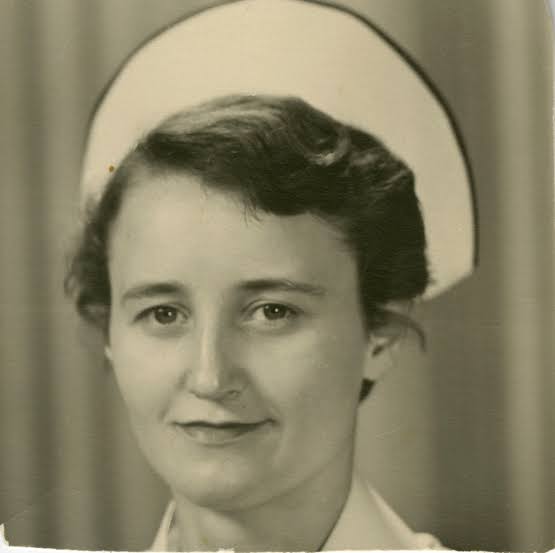
  • Vintage sepia portrait of a young Mary Dohey in her white nurse's cap
    As a young nurse
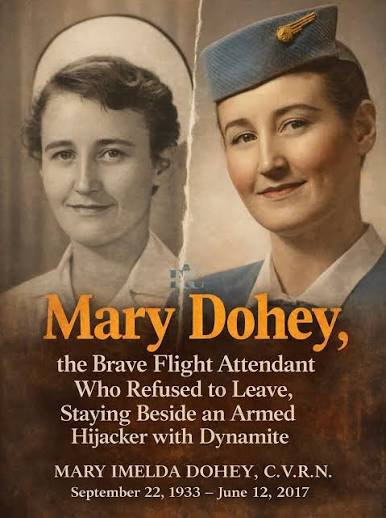
  • Tribute poster of Mary Dohey as a nurse and as an Air Canada flight attendant, titled Mary Dohey, the Brave Flight Attendant Who Refused to Leave, Staying Beside an Armed Hijacker with Dynamite
    The brave flight attendant
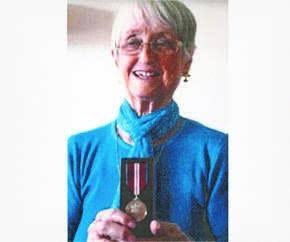
  • Mary Dohey in later years, smiling in a blue top and scarf, holding up her Cross of Valour medal
    With her Cross of Valour

A nurse, an Air Canada flight attendant and a true Canadian hero. I am so honoured to be related to such an amazing and courageous woman.

In her honour

The Story of a Hero

November 12, 1971Flight 812

Stewardess Refuses Safe Release, Stays Beside Armed Hijacker

Mary Dohey, later awarded the Cross of Valour, Canada's highest award for bravery

At the risk of losing her life, Dohey declined an offer of safe release from the aircraft, to remain with her fellow crew members and pacify hijacker Paul Cini, on flight 812 from Calgary, Alberta, on November 12, 1971.

During eight hours of terror, the hijacker, with a black hood over his head, was armed with a shotgun and two bundles of dynamite. Dohey had to hold onto the wires of the dynamite and not let them touch.

She was the first living person to receive the Cross of Valour, for her conduct during the hijacking of the Air Canada DC-8.

Mary Imelda Dohey, C.V., R.N. · September 22, 1933 – June 12, 2017

Creative & problem-solving traits

The ADHD brain has structural and chemical differences from the normal brain, and is a neurobiological condition. The prefrontal cortex of the ADHD brain develops more slowly, and it produces less dopamine and norepinephrine, which can cause difficulties in executive functioning, focus, and impulse control. You can keep the ADHD brain healthy through medication, therapy, and positive lifestyle changes.

Fun Fact: Impulsivity is usually framed as a drawback, yet in moments that call for courage, it lowers the barrier between seeing a problem and acting on it. While others pause to weigh social risks or conformity, someone with ADHD may speak up or intervene immediately.

  • Lateral thinking: Approaching problems from unique, non-linear perspectives.
  • Out-of-the-box innovation: Generating original ideas that challenge conventional wisdom or status quo.
  • Resourceful troubleshooting: Finding highly creative solutions under constraints or during unexpected crises.
  • Strong visual thinking: Processing information, concepts, and structures through vivid mental imagery.
Hands covered in bright, colourful paint held up to the camera

Work ethic & execution traits

Neurodivergent work ethic often centers on intense focus, deep pattern recognition, and strong dedication when environments match how a person's brain works. Rather than looking like standard neurotypical habits, it frequently appears as a "spiky profile" of distinct strengths paired with specific friction points.

  • Photo added by Amanda
  • Photo added by Amanda
  • Photo added by Amanda
  • High determination: Demonstrating intense drive and persistence when mastering a topic or completing a goal.
  • Hyper-efficiency: Streamlining repetitive tasks or automating personal workflows to maximize output.
  • High specialized stamina: The capability to work for hours on a specific passion project without losing energy.
  • Preference for transparency: Communicating with directness, clarity, and honesty.

“Having a brain with zero chill and a built-in radar for everything is actually a massive professional flex.”

Sensory & social traits

It turns out, having a brain with zero chill and a built-in radar for everything is actually a massive professional flex. While everyone else is blissfully ignoring the flickering fluorescent light and that one weirdly spaced pixel, our hyper-tuned sensory wiring is out here doing elite-level quality control and reading the room before anyone even says hello. We don’t just notice the details—we practically have a personal relationship with them, which makes us annoyingly good at catching disasters early, spotting hidden patterns, and building things that actually feel right.

  • Photo added by Amanda
  • Deep empathy: Experiencing strong emotional resonance, passion for social justice, and a drive to help others.
  • Heightened sensory awareness: Tuning into subtle changes in lighting, sound, texture, or environmental atmosphere.
  • Strong sense of fairness: Maintaining a deep internal commitment to equity, rules, and ethical consistency.
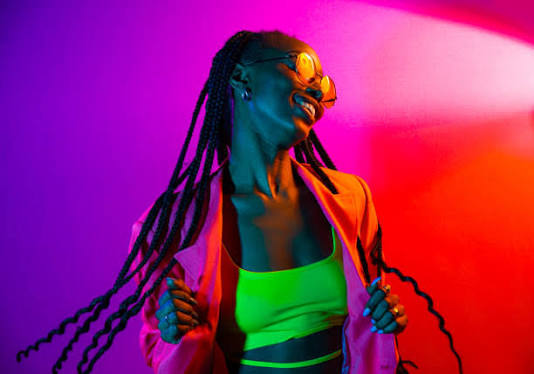
A joyful woman with long braids dancing in vivid pink and purple light

This page is general information from lived experience, not medical advice. Talk to your doctor about diagnosis and treatment.

ADHD & ME®Women's Collective

Passionate about neurodivergence? Join our small team.

Online & in Mississauga · Toronto · Etobicoke · Oakville

PricingResources & referencesRedeem a giftamandadohey@hotmail.ca

© 2026 ADHD & ME Women's Collective

If there are ways I can improve the website's accessibility, please let me know! We are working on it! :) Email me

No Medical, Therapeutic, or Controlled Psychological Services

The services, programming, events, and content provided by ADHD and Me (including all staff, facilitators, and representatives) are for educational, informational, community-building, and peer-support purposes only.

The founder and staff of ADHD and Me are communication professionals operating strictly within a peer-support and lifestyle intervention framework based on lived experience. We are not licensed medical practitioners, psychiatrists, psychologists, or Registered Psychotherapists (RP) in the Province of Ontario.