
Sports for ADHD
Find the sport that fits your brain.
Team or solo, the best sport is the one you love enough to keep coming back to.
Why sport is great for ADHD
Moving your body is one of the best things you can do for an ADHD brain. Exercise can lift your mood, ease stress and restlessness, help you sleep, and make it easier to focus afterwards.
Sport also gives you something to look forward to, a routine to lean on and a place to put all that energy. And you're never too old to start!
Solo sports offer women with ADHD a flexible, self-paced outlet that boosts dopamine and norepinephrine, reduces social pressure, and helps manage hyperactivity, impulsivity, and anxiety.
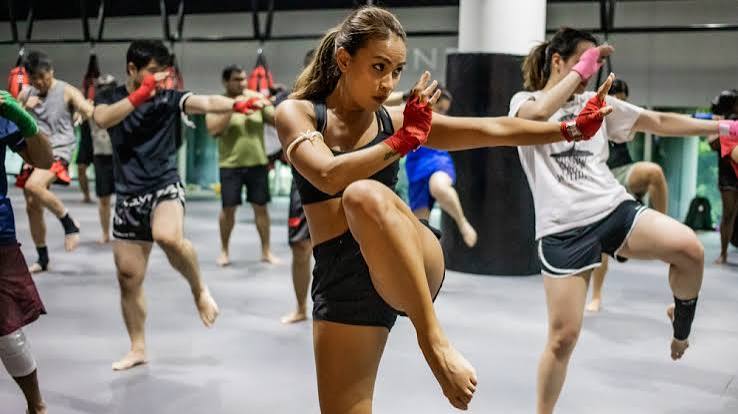
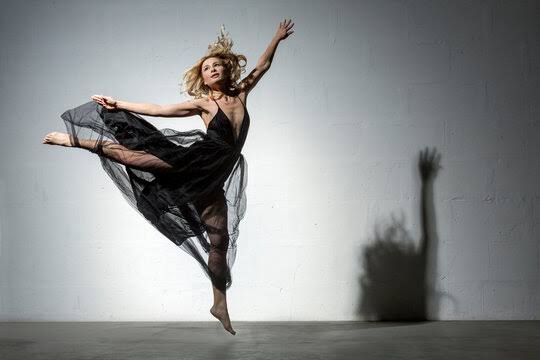
Doing solo sports like gymnastics or ballet are basically a cheat code for women with ADHD: you get a massive hit of focus-boosting dopamine without having to remember a team schedule, decode group chat politics, or apologize for forgetting your jersey. Whether you’re scaling a climbing wall, zoning out on a run, or channel-surfing your energy through martial arts, individual sports let you move at your own pace, hyperfocus on something fun, and silence the mental noise—all on your own terms, with zero teammates judging you if you decide to switch hobbies next month.
Solo sports
Solo sports are often where we shine, because we can practice alone for hours and hours when something grabs our interest.
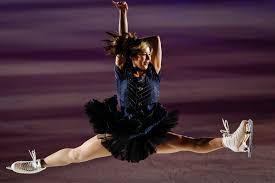
- SkatingSpins, jumps and endless practice. Perfect for a brain that loves to hyperfocus.
- SwimmingRhythmic laps and the feel of the water can calm a busy mind and a restless body.
- WalkingPop in a podcast or playlist and go. No booking, no gear, just out the door.
- CyclingSpeed, fresh air and new routes keep things interesting.
- Climbing or boulderingEvery wall is a puzzle to solve, so your focus stays locked in.
- DanceMusic plus movement. Great for energy, coordination and pure joy.
- Strength trainingClear goals and visible progress, one rep at a time.
- Martial artsStructure, routine and a fun challenge with every new belt or move.
Spotlight: martial arts and dance
Team sports
A team gives you structure, accountability and a built-in community of people cheering you on.
Mississauga Ice Precise is Mississauga's adult synchronized skating team (ages 18+), representing Skate Mississauga (formerly Mississauga Figure Skating Club) under Skate Ontario and Skate Canada..
Mississauga Ice Precise won a gold medal in Masters Synchronized Skating at the 2026 ISU International Adult Figure Skating Competition in Oberstdorf, Germany in May 2026. Amazing!! You gotta keep up to be on this team of strong women! Tryouts are in March for anyone interested.
- Synchronized and precision skatingMoving in unison with your team builds focus, rhythm and friendships.
- VolleyballFast rallies keep you in the moment, and the team keeps you showing up.
- Recreational leaguesSoccer, softball, pickleball or curling. Low pressure, lots of laughs.
- Group classesSpin, yoga, Zumba or boot camp. A set time and a friendly face keep you on track.
Basketball and soccer
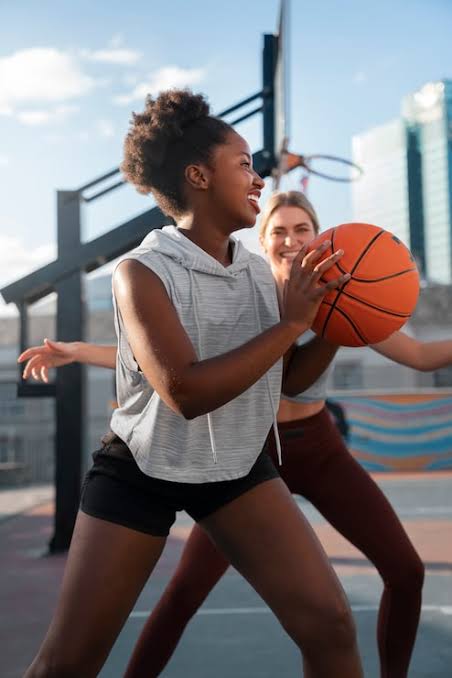
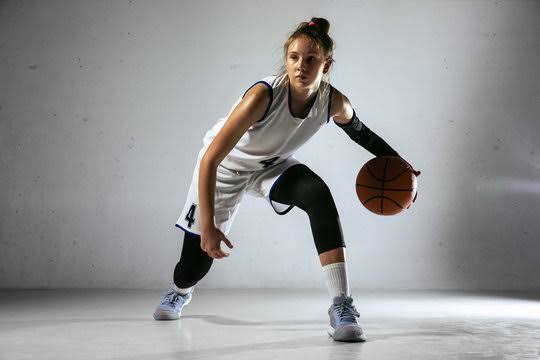
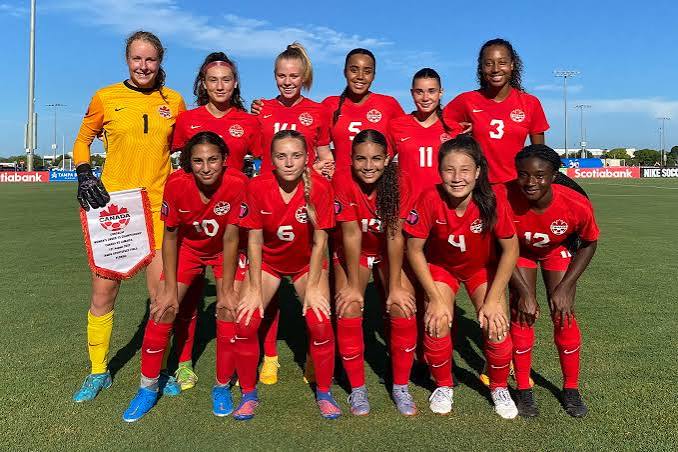
Sports like basketball and soccer are also great for the neurodivergent mind, and they strengthen our social skills and teamwork abilities.
Basketball offers a unique combination of fast-paced movement, clear rules, and structured teamwork that aligns well with how many neurodivergent brains process information and energy. For neurodivergent women, such as those with ADHD, autism, or sensory processing differences, the sport can serve as both a therapeutic outlet and an empowering social environment.
The Autism Pitch website says soccer offers unique physical, mental, and social benefits for neurodivergent women (including those with autism, ADHD, or dyslexia) by turning traits often seen as challenges into strengths.
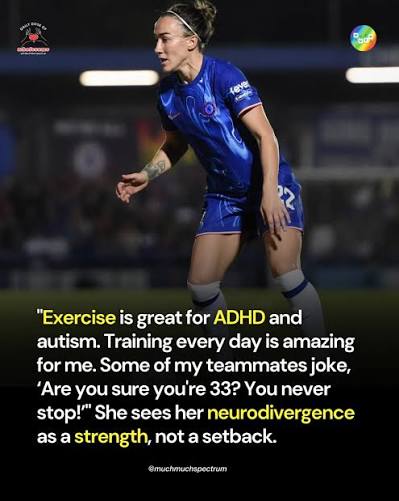
"Exercise is great for ADHD and autism. Training every day is amazing for me. Some of my teammates joke, 'Are you sure you're 33? You never stop!'"
Famous figure skaters who have spoken about their ADHD
Alysa Liu: The American figure skater and 2026 Olympic gold medalist has openly discussed her ADHD diagnosis, which she received in high school after noticing patterns like unfinished school assignments. She credits her ADHD traits, such as craving novelty and high-energy hyperfocus, with helping her push boundaries in the sport.
Simone Biles: proud, open and unstoppable
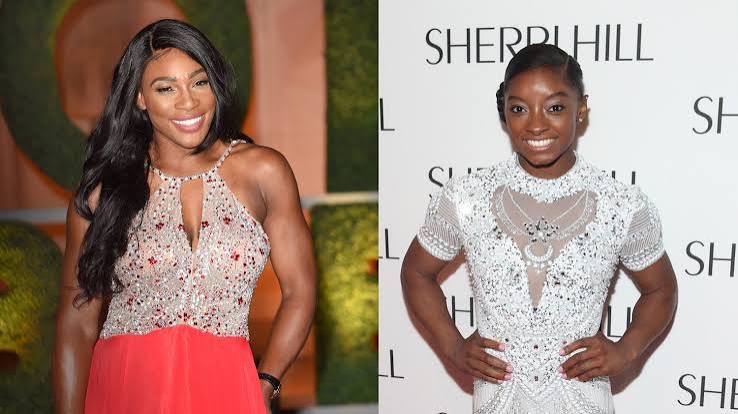
Gymnast Simone Biles, one of the most decorated athletes of all time, spoke openly about her ADHD after the 2016 Olympics: "Having ADHD, and taking medicine for it is nothing to be ashamed of nothing that I'm afraid to let people know."
Tennis legend Serena Williams called Biles a role model, praising her poise and confidence: "If anything, I wish I could be like her when I was younger." (TIME, October 2016)
The GOAT
Known as the GOAT, Simone captured hearts across the world when she had to bow out of the competition because she got "lost in the air," she was experiencing "the twisties," a mental block that causes a gymnast to lose spatial awareness and track of their body mid-flight. This happened most famously during the Tokyo Olympics in July 2021 after she landed awkwardly on a vault in the women's team final.
She spoke on her mental health to “We have to protect our body and our mind … It just sucks when you’re fighting with your own head. Whenever you get in a high-stress situation, you kind of freak out. I have to focus on my mental health and not jeopardize my health and well-being,” said Biles. Realizing she could not safely orient herself midair, she withdrew from the rest of the team event to protect her safety and mental health.
Simone presses how important it is to maintain our mental wel being, especially having a neurobiological difference, and to be with and speak with those who know what you are going through and will be there to support you, "It's really important to use that support system and know they're there for you and not against you, because at the end of the day, us as humans, we hate asking for help," Biles said. "We think we can do it on our own, but sometimes we just can't. So, use every outlet given to you." Simone has become a mental health advocate and speaks out about having adhd and eliminating the stigma of neurodivergence and medication. Simone Biles also advocates for mental health by speaking openly about therapy, normalizing athlete vulnerability, and urging people to prioritize well-being over medals or perfection.
ADHD and ME can be part of your support team to ensure your success and happiness. Not getting the right support has an impact on your mental health over time, so get help now. The sooner, the better.
Sports that can be tough for the ADHD brain
Sports that may be tricky for us are curling, golf, cricket, baseball, running and rowing.
Like golf! Can we say snooze fest? Not enough stimulation for our go-go-go type minds. Golf can be a frustrating sport for people with ADHD due to several core cognitive, emotional, and pacing challenges.
Other difficult activities for us are long-distance running (without a pacer or group), driving ranges, or repetitive lap swimming, which can lack the mental novelty or immediate feedback loop an ADHD brain craves, leading to boredom or "zoning out."
While team sports can be great, sports that require holding strict, complicated positional maps in mind while parsing multi-layered playbook strategies (like American football or complex zone-defense schemes) can feel overwhelming or confusing if executive function gets taxed.
- GolfLots of waiting, slow pacing and quiet focus. Easy to get bored or frustrated.
- Long-distance running (solo)Without a pacer or group, the same scenery for miles can lead to zoning out.
- Driving rangesHitting ball after ball with little variety or feedback gets old fast.
- Repetitive lap swimmingBack and forth with no change can feel endless for a brain that craves novelty.
- Playbook-heavy team sportsAmerican football or complex zone defenses ask you to juggle positions and layered plays all at once.
What makes a sport a poor fit?
The ADHD Minimalist says:
- Lack of immediate feedback: This is a culprit. The ADHD brain runs on interest, urgency, and novelty. If a sport feels like a chore with no fast-paced loop, motivation drops fast.
- Excessive downtime: Too much standing in lines or sitting on the bench makes it hard for hyperactive or inattentive brains to stay regulated.
- Rigid, punitive coaching: Coaches who do not understand neurodivergence may misinterpret executive dysfunction (forgetting plays, losing equipment, or fidgeting) as willful disobedience.
Tips for getting started as an adult
- Follow the funPick what excites you, not what you think you should do. Interest is your fuel.
- Start smallTen minutes counts. A short win beats a perfect plan you never start.
- Make it easy to goPack your bag the night before and leave your shoes by the door.
- Book it inSign up for a class or set a time with a friend so someone is expecting you.
- Mix it upBored? That's normal for us. Try a new route, class or sport without guilt.
- Celebrate progressTrack your sessions on a calendar or app and give yourself credit every time.
Be kind to yourself
Check with your doctor before starting something new, especially if you have health concerns. Then go at your own pace. There is no wrong way to move, and every bit counts.
This page is general information from lived experience, not medical advice. Talk to your doctor about diagnosis and treatment.